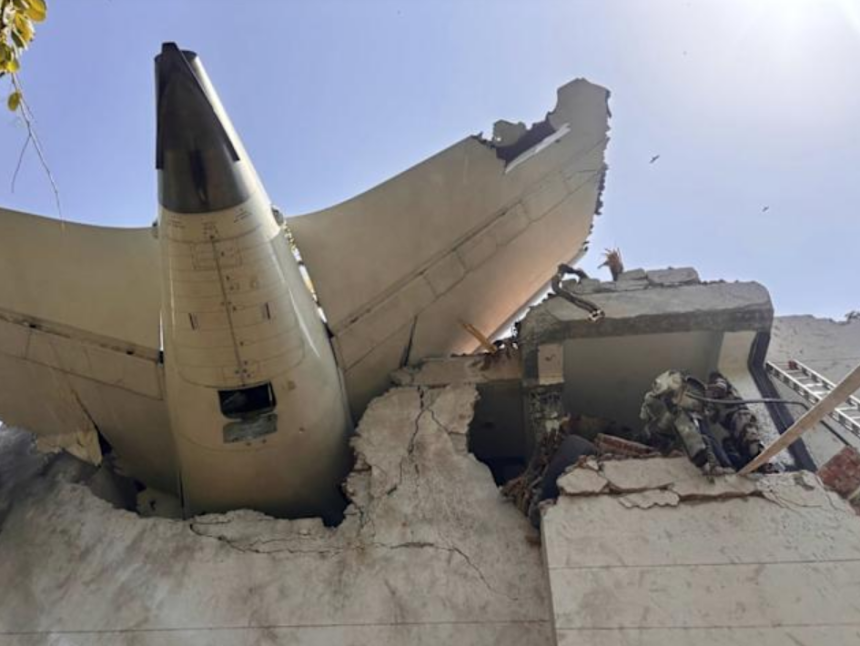
A tragic Air India plane crash has left the nation grappling with grief and demanding answers. The incident, which claimed numerous lives, has ignited a firestorm of criticism directed at the airline’s safety protocols and the broader aviation industry’s oversight mechanisms. Early investigations suggest that a combination of maintenance lapses and regulatory oversights may have contributed to the catastrophe, prompting questions about whether cost-cutting measures have compromised passenger safety.
Maintenance Failures Under Scrutiny
Preliminary reports indicate that the aircraft involved had a history of unresolved technical issues. Sources close to the investigation reveal that routine maintenance checks were either delayed or inadequately performed, potentially allowing critical faults to go undetected. Aviation experts argue that such oversights reflect a troubling trend in the industry, where financial pressures often lead to shortcuts in safety protocols.
The Civil Aviation Authority has come under fire for its role in the tragedy. Critics point to lax enforcement of safety regulations, with some alleging that inspections are often superficial. The authority has promised a thorough investigation, but public trust remains shaky as families of the victims demand accountability.
Corporate Priorities Questioned
At the heart of the controversy is Air India’s operational model. Insiders claim that the airline, under pressure to remain competitive in a crowded market, may have prioritized cost efficiency over safety. Allegations of understaffing in maintenance crews and reliance on outdated equipment have surfaced, painting a grim picture of an airline stretched thin by financial constraints.
Aviation analyst Priya Sharma noted, “When profits take precedence, safety becomes a secondary concern. This crash is a wake-up call for the industry to reassess its priorities.” The airline has issued a statement expressing condolences and pledging cooperation with investigators, but public outrage continues to grow.
Calls for Reform
The tragedy has spurred calls for sweeping reforms in India’s aviation sector. Lawmakers and advocacy groups are pushing for stricter regulations, including mandatory transparency in maintenance records and harsher penalties for non-compliance. Some have also proposed an independent oversight body to monitor airline operations, free from corporate or political influence.
Families of the victims have organized vigils across the country, demanding justice and systemic change. “This isn’t just about one crash—it’s about ensuring no one else suffers this loss,” said Anil Kapoor, a relative of one of the passengers. As investigations continue, the nation waits for answers, hoping this tragedy will mark a turning point for aviation safety.
Read More: Hajj Plane Lands Safely in Surabaya After Bomb Hoax